China's Zero-Tariff Policy for Africa: What It Actually Means for Car Buyers (and What It Doesn't)
China now applies zero tariffs to imports from all 53 African nations it has diplomatic ties with. It's genuinely historic — but it doesn't touch what you pay to import a car FROM China. Here's the policy, straight, and what actually determines your landed cost.
China's zero-tariff policy for Africa is real, and it is genuinely significant — as of May 1, 2026, China applies zero tariffs to imports from all 53 African nations it holds diplomatic relations with (Eswatini, which recognizes Taiwan, is the one exclusion). It builds on a December 2024 move that already zeroed out tariffs on 100% of tariff lines for 33 African least-developed countries, and the newly added 20 non-LDC African states get the preferential rate for a two-year window running to April 2028.
We're seeing this policy show up in searches alongside car-import questions, so it's worth being direct about something important: this policy runs in the opposite direction from what a lot of people assume.
What the Policy Actually Does
China's zero-tariff treatment applies to African goods entering China — cocoa from Côte d'Ivoire and Ghana, coffee and avocados from Kenya, citrus and wine from South Africa, and thousands of other tariff lines that used to face duties of 8–30% at the Chinese border. It's a trade-policy move aimed at African exporters, part of a broader push that helped drive China-Africa trade to a record $348 billion in 2025.
What It Does Not Do
It does not change what Nigeria, Kenya, Ghana, or any other African country charges to import a vehicle from China. Those duties are set entirely on the African side — by ECOWAS's Common External Tariff for West Africa, the EAC's Common External Tariff for East Africa, South Africa's own SACU rate, or independent national policy elsewhere — and none of that changed on May 1. If you're budgeting a car import, this policy isn't the number to plug in.
What Actually Determines Your Landed Cost
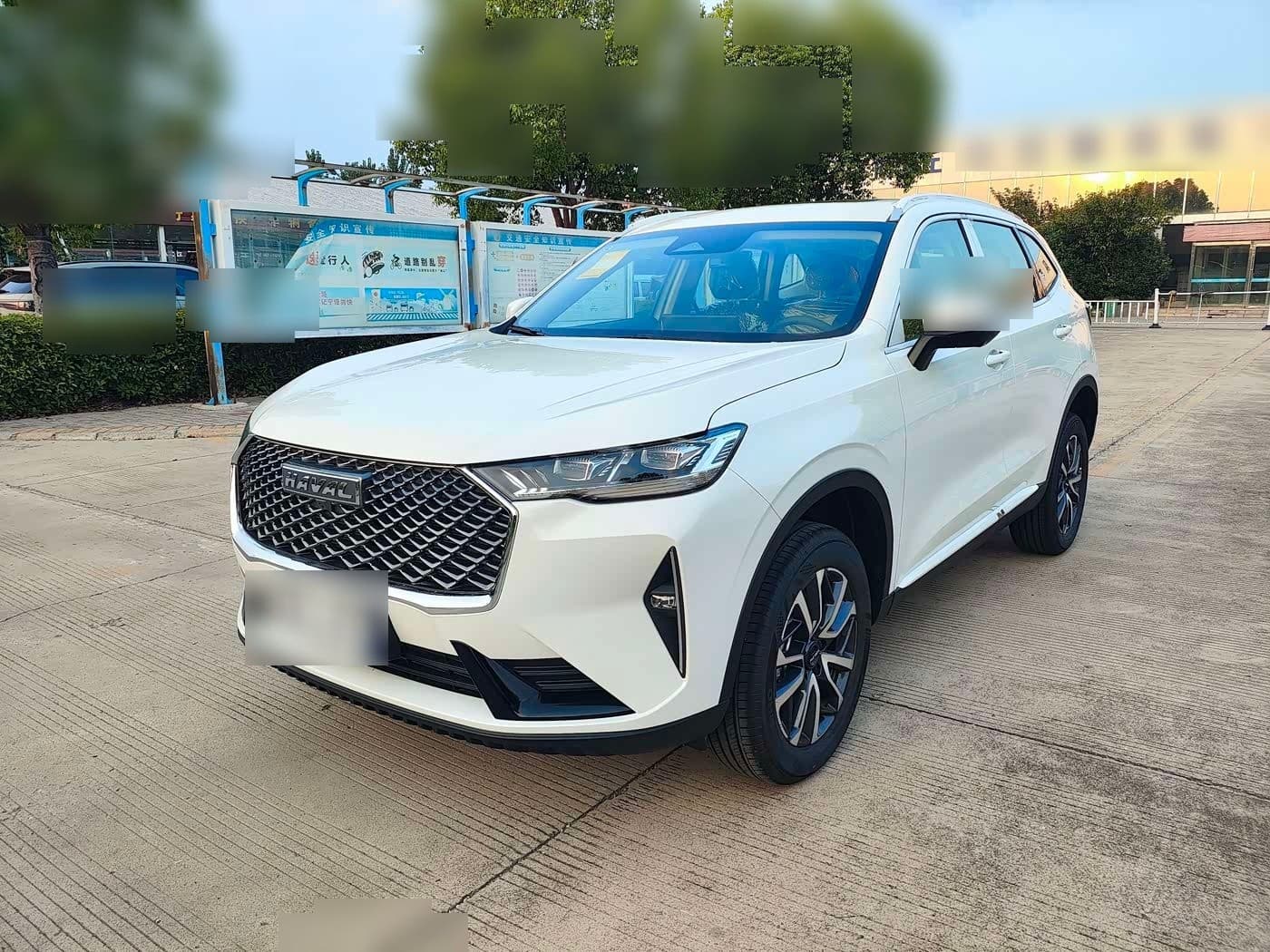
Take a genuinely popular pan-African model as a concrete example: the Haval H6. DriveSino's live inventory currently has 65 units at FOB China prices from $7,680 to $17,880. What you'd actually pay to land one depends entirely on the destination:
- Nigeria, Ghana, Senegal, Ivory Coast and other ECOWAS members: the bloc's shared Common External Tariff bands vehicles around 20%, though several member states add substantial national levies on top — Nigeria's total is considerably higher once its NAC levy is included.
- Kenya, Uganda, Tanzania, Rwanda: the EAC's Common External Tariff generally bands vehicles at 25%, with country-specific carve-outs for EVs and hybrids.
- South Africa: its own SACU-set national rate applies, plus mandatory RHD compliance.
- Morocco, Egypt, Algeria and the rest of North Africa: independent national rates, no shared bloc tariff.
We wrote a full breakdown of how these blocs actually work — which countries share a tariff structure and which don't — in our Africa Vehicle Import Duties & Regulations guide, or for the Gulf side of the map, our Middle East & Arab Nations guide.
See our full country-by-country import guides for the exact figures for your market, or browse current Haval H6 inventory for real listings with photos and inspection reports.
Import cost figures are DriveSino's own, drawn from live inventory at time of publication.